Boundaries, Not Bad Vibes: The New Rules of Asking for a Photo in 2026
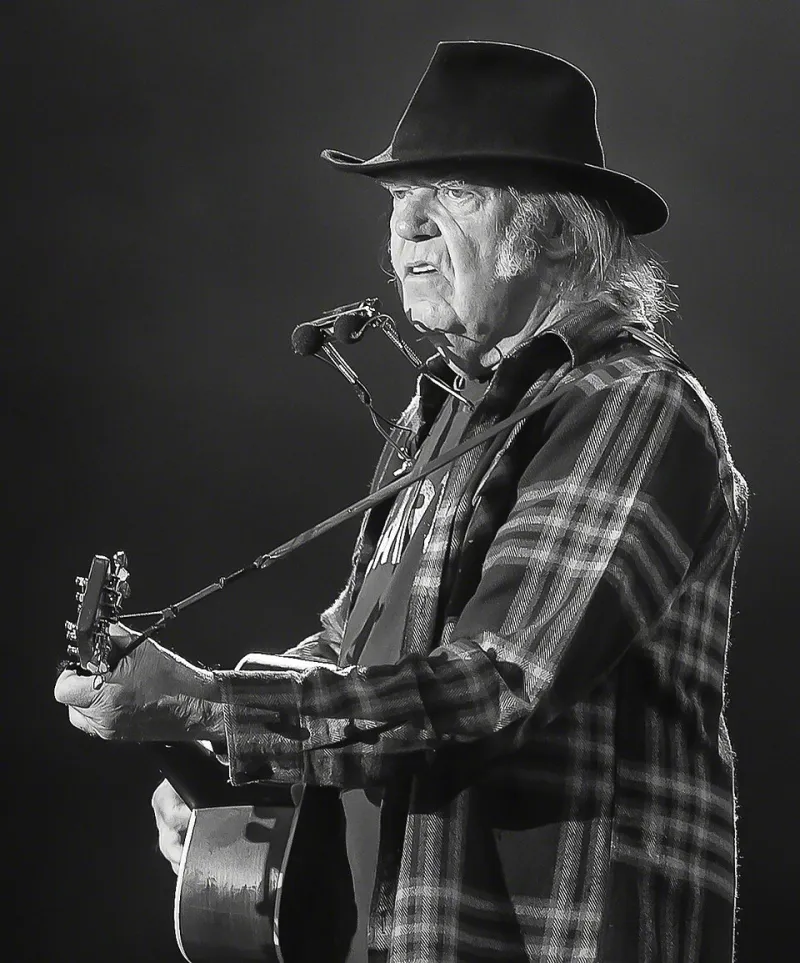
Photo: Tore Sætre, CC BY-SA 4.0, via Wikimedia Commons
Something small but important is happening in UK fan culture. Young stars are getting better at saying no. Not in a dramatic, security-guard way. In a polite, clear, slightly awkward way that sounds like: 'I am not doing photos today, but thank you for coming.' And fans are starting to realise that this is not a rejection. It is a boundary. The no-selfie revolution is not about stars being too good for fans. It is about stars and fans agreeing on what a healthy interaction looks like.
This is a big shift for anyone who grew up on stage-door culture, airport photos and the idea that a real fan should always be ready to chase. In 2026, the most interesting young UK celebrities are not the ones who never stop for a picture. They are the ones who set the rules early, stick to them and still make fans feel seen. That is harder than it sounds. It is also long overdue.
Why Boundaries Are Having a Moment
Part of it is visibility. Fans see more of celebrities than ever: tour diaries, TikToks, livestreams, radio interviews, podcast clips. That access can feel like closeness, but it is not the same thing. A young star can be in your feed every day and still be a stranger. The no-selfie revolution is a correction. It says: you know me through my work, not through my willingness to pose in a car park.
Part of it is safeguarding. Many of the stars setting boundaries are young themselves. Some are still teenagers. Some are in their early twenties and dealing with crowds that are bigger, louder and more mobile than they were five years ago. A polite no is not just a preference. It is a safety measure. It is also a model for fans: you can be excited without being entitled.
And part of it is the general mood. Young audiences in the UK are more comfortable talking about mental health, consent and personal space than previous generations. That language has reached fandom. Fans talk about 'parasocial boundaries' in the same breath as tour dates. They know that standing outside a hotel at midnight is not the same as supporting an artist. The culture is shifting, even if the group chat still gets a bit feral when a new photo drops.
The Fan Perspective: Respect, But Make It Clear
From a fan point of view, the best boundary is not a mysterious one. It is a clear one. Fans can handle 'not today'. What they struggle with is mixed messages: a star who poses for one person and then snaps at the next, or a team that says 'no photos' but never explains when photos are allowed. Young fans are not asking for a legal document. They are asking for consistency.
The healthiest version looks like this: the star says what they are comfortable with, the fans respect it, and everyone moves on. Maybe there is a sign at the stage door. Maybe there is a five-minute window after a show. Maybe there is a group photo rule or a 'no photos at the airport, yes photos at signings' policy. The exact rule matters less than the clarity. Fans can work with clarity. They cannot work with vibes.
There is also a fairness issue. The fan who queued for three hours is not the same as the fan who happened to be walking past. The star who has done six shows in seven days is not the same as the star who has had a quiet week. Boundaries let everyone adjust. They take the pressure off the fan to be the perfect superfan and the star to be the perfect access point. That is a good thing.
The PR Question: Is This Just Good Management?
Let's be honest: some of this is PR. A boundary can be a brand. A star who says 'no photos at the airport' can look thoughtful, mature and in demand. A team can turn a simple rule into a story about self-care. That does not make the boundary fake. It just means the messaging is polished. The test is not whether the PR is good. The test is whether the behaviour is consistent when the cameras are off.
The stars getting it right are the ones who do not make a big performance of saying no. They set the rule, they thank the fans and they do not shame anyone for asking. They also do not use boundaries as a personality. There is a difference between 'I am not comfortable with that' and 'fans are annoying'. The first is healthy. The second is a red flag. Young fans can tell the difference, even if the quote has been edited into a TikTok.
Standout Examples: The Types Getting It Right
We are not naming names here, because the pattern matters more than any single person. But the types are clear.
The first is the tour-window star. They do not promise photos everywhere, but they do promise a window: after the show, by the merch desk, for twenty minutes. Fans know what to expect, and the star gets to leave without a crowd following them to the car.
The second is the airport refuser. They have realised that an airport is not a meet-and-greet. It is a workplace, a travel hub and a place where people are tired. A polite 'not here, but thank you' is not rude. It is practical. Fans who respect it tend to get better interactions at actual events.
The third is the group-photo star. They know that one photo with everyone is faster, fairer and less chaotic than fifty individual selfies. It also protects the star from the weird pressure of being in a hundred different camera rolls. It is not the same as a one-to-one moment, but it is honest about what is possible.
The fourth is the star who says it early. They post the rules before the tour, not after a bad night. They tell fans what to expect at signings, stage doors and radio appearances. That is the gold standard. It treats fans like adults and the star like a person.
Who Is Getting It Wrong?
The stars who get it wrong are not the ones who say no. They are the ones who say yes until they snap. Fans can feel that inconsistency. It creates a weird competition: who can catch them on a good day? That is not fair to the star or the fan. It also makes the boundary look like a mood rather than a principle.
The other mistake is shaming. A young fan who asks for a photo is not automatically entitled. They might be nervous, overexcited or following a group. A simple 'not today, sorry' is enough. The stars who make fans feel stupid for asking are not setting boundaries. They are doing something else.
The CelebYouth Verdict
The no-selfie revolution is a good thing, as long as it is honest. Boundaries are not anti-fan. They are pro-fan when they are clear, consistent and kind. They protect young stars, they protect young fans and they make the whole culture less exhausting. The stars getting it right in 2026 are the ones who treat a photo as a nice extra, not a right. They say what they mean, they mean what they say and they do not make anyone feel small for asking.
The ones getting it wrong are the ones who use 'boundaries' as a shield from accountability or as a way to look mysterious. Fans are not stupid. They can spot a genuine limit and a PR move. The difference is usually in the follow-through. If the rule is clear, the tone is kind and the behaviour is consistent, it works. If not, it is just another thing to argue about in the replies.
So here is the 2026 rulebook: ask once, accept the answer, do not follow, do not film someone eating. It is not complicated. It is just decent. And decent is a much better fan flex than a blurry selfie you had to sprint for.