Shhh… There’s a Pop Star in the Stacks: Inside 2026’s Library Clue Hunt
On a soggy Tuesday in Leeds, the queue outside the local library is not for an author talk or a print-your-own-tote workshop. It’s for a sealed envelope. Inside: a handwritten lyric sheet, a library-themed crossword and a QR code that leads to a 40-second snippet of an unreleased track. Welcome to the 2026 album rollout that’s happening in the quietest venues in Britain.
From Stan Accounts to Stack Alerts
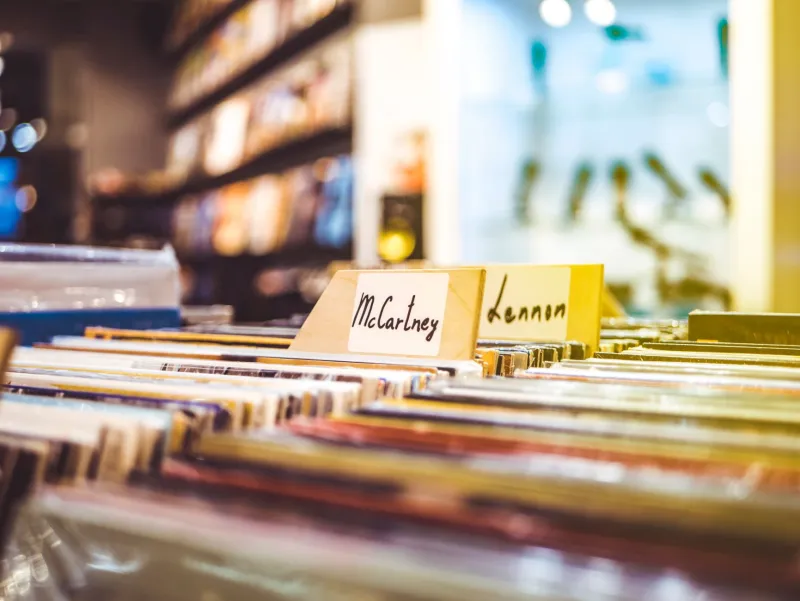
The mechanics vary from artist to artist, but the mood is the same. Some stars tuck lyric sheets inside poetry collections. Others stick QR codes under study desks or set up listening stations with wired headphones and a sign asking fans to ‘please re-shelve responsibly’. A few have turned library cards into collectible tokens, with branch-specific codes that unlock bonus content.
For young fans, it’s a new kind of detective mission. They trade Dewey Decimal numbers like football chants, compare timestamped photos of quiet reading rooms, and debate whether a clue hidden in the true crime section is a hint about the album’s title or just a very dark joke. A library card has become a backstage pass — and the less glamorous the branch, the better the story.
Why Libraries? The Anti-Algorithm Flex
Pop rollouts are usually loud: billboards, TikTok teasers, a pop-up in a Shoreditch warehouse with a queue round the block. In 2026, quiet is the flex. Libraries offer trust, free entry and a sense of ceremony. They are also refreshingly offline. You can’t doomscroll your way to a clue; you have to leave the house, lower your voice and ask a member of staff where the local history section is.
For artists, that slowness is the point. It rewards attention over speed. For fans, it’s a day out that doesn’t cost a train fare to London. And for libraries, it’s a rare bit of pop culture attention that doesn’t involve a film crew blocking the entrance.
The New Gatekeepers: Librarians With Lore
Here’s the bit nobody puts on the mood board: librarians did not sign up to be custodians of pop lore. Yet in 2026 they are exactly that. They manage queues, limit clues per person, check that QR codes don’t lead to dodgy websites, and remind everyone that the reading room is not a mosh pit.
Some branches have introduced ‘clue windows’ — short slots when fans can collect a clue without disturbing regular users. Others have printed maps of the participating shelves. A few have politely declined to take part, citing staff time, safeguarding rules or the simple fact that a library is not a venue. Council budgets are thin and library closures are a real worry, so the goodwill only stretches so far. When a drop goes well, it’s a lovely story. When it goes wrong, it’s a queue of teenagers blocking the computers while a librarian tries to help someone print a bus pass.
The Spoiler Problem
TikTok is the enemy of the slow reveal. Within minutes of a clue being found in Birmingham, it’s decoded in Belfast, screenshotted in Cardiff and turned into a 12-second video with a red circle and an arrow. Artists have responded with one-time codes, branch-specific passwords and clues that only make sense in person. It’s a cat-and-mouse game, and the mouse has a ring light.
There’s a debate here about who the hunt is actually for. Fans who can’t travel, or who don’t have a participating library nearby, are left watching the spoilers roll in. Some artists have started posting printable clue packs after the initial drop, which keeps the fun alive but loses the magic of standing in a quiet corner with a piece of paper that feels like it was left just for you.
Who Gets to Play?
That’s the awkward question at the heart of the trend. Libraries are local, but not every local library can take part. Rural branches may have fewer staff and less footfall. City branches may get overwhelmed. If the library clue hunt only rewards fans who live near a big, well-resourced building, it risks becoming a postcode lottery with a nice cardigan on.
The best versions of the trend feel genuinely accessible: clues that don’t require spending money, branches that are open late, and a clear set of rules so nobody feels like they’ve missed out. The worst versions feel like a marketing stunt that borrowed a library for the aesthetic and forgot to ask what the library actually needs.
Can the Wholesome Hype Last?
Libraries are not venues. They are safe spaces, study spaces and sometimes the only warm place in town. If a drop gets too big, it can overwhelm staff and put off regular users. The trend survives only if artists treat libraries as partners, not props. That means paying for staff time, limiting numbers, and accepting that a clue hunt should never turn into a crush.
As of November 2026, the library clue hunt is still more whisper than roar. It’s a rare pop trend that asks fans to be quiet. Long may it stay that way — just maybe with a few more staff on the desk.